Mowing heights based on the season and type of grass
- Shawn Hegarty
- Sep 18, 2024
- 4 min read

Updated: Apr 25
If you own a lawn, it is likely that you also own a lawn mower that you use when the grass grows too tall. Yet, it is not advisable to delay mowing until the final moment in order to maintain a healthy lawn. Every lawn has an optimal grass length, and allowing your grass to become too tall (or keeping it too short) can affect the overall well-being of your yard. However, the ideal grass cutting height varies depending on factors such as the type of grass and the time of year. In the following section, we will explain in detail and provide you with effective grass cutting tips to maintain your lawn in excellent condition year-round.
What is the importance of mowing height?
Balance is needed in all aspects of life, and this includes maintaining your lawn. Mowing your lawn too low can cause stress to your grass and lead to inadequate growth, empty patches, or noticeable harm. Lawns that have been scalped may also be at a higher risk for weeds, some of which need specific treatment in order to be managed. However, allowing your grass to grow unrestricted is not recommended either. In addition to appearing messy, grass that is excessively long may also be more appealing to pests, which can result in a decrease in the overall health and density of your lawn. Like we mentioned before, it's all about finding the right balance.
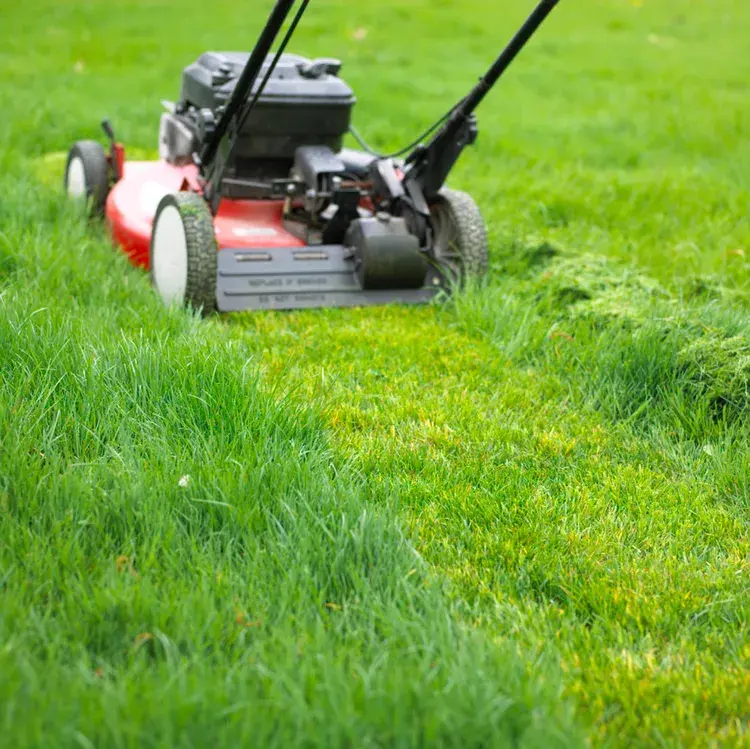
What Height is Ideal for Mowing Grass?
The best height to mow grass for its overall health will differ based on the specific type of grass and its growing season.
Cool Season Grasses
Cool-season grasses thrive in spring and fall with temperatures between 60 and 75 F, commonly found in the Northeast, Midwest, Northwest, and parts of the Transition Zone. The chart provided below shows the recommended mowing heights for various types of cool-season grasses.
Grass Type | Ideal Height |
Tall Fescue | 3.0”-4.0” |
Kentucky Bluegrass | 2.0”-3.5” |
Perennial Ryegrass | 2.0”-3.5” |
Fine Fescue | 2.0”-3.5” |
Warm Season Grasses
Warm-season grasses are types of grass that thrive in the summer and become dormant when the soil temperature drops below 55F. These grasses are abundant in the Southern United States and in certain regions of the Transition Zone. Below are the recommended mowing heights for popular warm-season turfgrasses.
Grass Type | Ideal Height |
Zoysiagrass | 1.5”-2.5” |
St. Augustinegrass | 2.5”-3.75” |
Centipedegrass | 1.5”-2.0” |
Bermudagrass | 1.0”-2.0” |
In order to mow your grass to a particular height, make sure to set your lawn mower height as instructed in the guidelines above. Remember, it is important to avoid cutting more than one third of the grass blade at once, as this can harm your lawn and lead to discoloration or scalping of the grass. When cutting long grass, you may need to mow multiple times to achieve the perfect lawn height.
Seasonal Grass Maintenance
The timing and frequency of lawn mowing are also influenced by seasonal factors. The explanation is straightforward: Various weather conditions impact your lawn differently. To learn more about cutting grass short in various seasons, continue reading.
Winter Grass Height
Cool and warm-season grasses usually become dormant during the winter months. Essentially, this implies that the grass ceases to grow until soil temperatures increase, therefore mowing is typically not needed during the winter months. Nevertheless, it is important to take preventative measures in autumn in order to get your lawn ready for a likely cold and snowy winter. An action you can take is to cut your grass to a length of about two inches before the first frost of the year. At this elevation, roots and crowns are shielded from severe cold, yet remain low enough to prevent snow mold. If you require assistance or guidance on protecting your lawn in the winter, reach out to us.
Spring Grass Height
To kick off the season, aim to mow just a bit shorter (around ½ inch) than the usual height during the growing season to get rid of dormant grass and promote growth. When to mow for the first time in the season depends. Cool-season grasses can be cut after snow has melted in early spring, while warm-season grasses should be mowed once they start growing again, typically by late March, depending on the location.
Summer Grass Height
The smell of freshly-cut grass is a classic scent of summer, as this season demands increased maintenance for many lawns. Summer is the time when warm-season grasses, in particular, grow faster. The charts provided above will assist you in deciding the appropriate length to mow your lawn on the hottest days of summer. For best health results, try to mow your lawn with the blades set to a higher level. More extended grass assists in maintaining soil temperature, decreasing the requirement for watering and decreasing the amount of maintenance necessary to ensure it remains in good condition. Cutting the grass at a higher level can also encourage stronger roots and reduce the growth of weeds. Remember to refrain from mowing when it is extremely hot or dry, as this can cause damage to your lawn.
Fall Grass Height
During fall, try to maintain your lawn at the recommended mowing height specified previously. If you own a lawn that thrives in cooler temperatures, you may find yourself mowing more often in the fall season.
Before the first frost sets in, when temperatures begin to decrease, it is recommended to mow your lawn for the last time of the season, making sure to cut it to a height of around two inches to safeguard it during the winter.
Tips for mowing to promote a healthy lawn
Aside from cutting the grass to the correct height, there are multiple actions you can take to prevent your lawn from becoming stressed during the mowing process. Use these suggestions to support the growth and well-being of your lawn.
Make sure the blades of your mower are sharp. Blades that are not sharp can tear the grass blade, making the grass susceptible to disease.
Refrain from cutting grass in times of excessive heat or lack of rainfall.
Switch up your mowing direction to avoid soil compaction or damage caused by your mower's wheels.
Do not remove grass clippings from your lawn as they can provide additional nutrients to the soil.
Get in touch with us for additional assistance in nurturing and preserving a strong, vibrant lawn.


Comments